

All Products
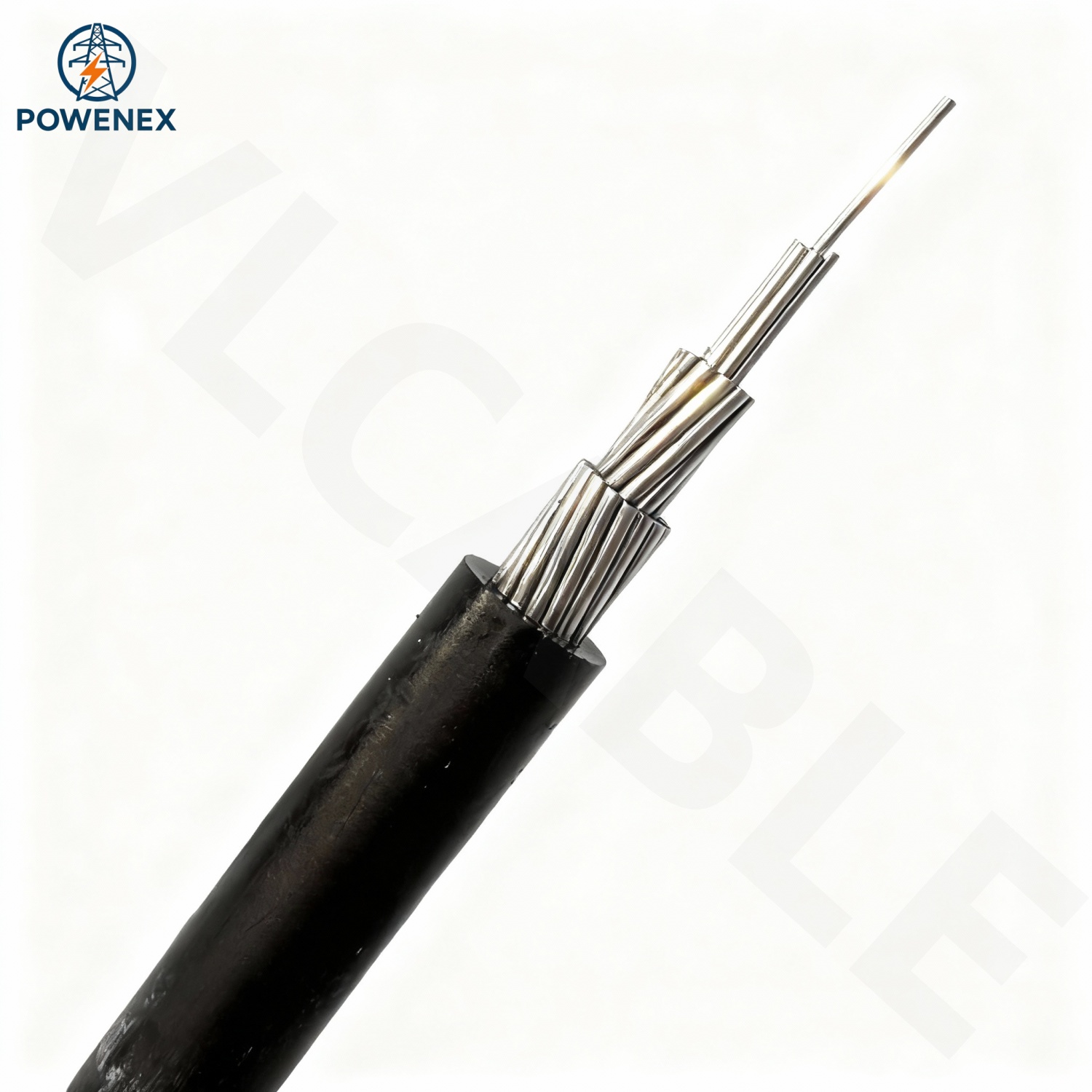
The JKLYJ 10kV 120-20 (often written as 120/20) is a specialized Medium Voltage (MV) overhead cable designed for high-strength aerial distribution. In this configuration, 120 refers to the cross-sectional area of the aluminum phase conductor ($120mm^2$), while 20 typically denotes the cross-sectional area of the reinforcing core or messenger wire ($20mm^2$), often made of high-strength galvanized steel (ACSR-type construction) to support long spans between poles.With XLPE insulation, the cable maintains a high operating temperature (90°C) and provides excellent resistance to environmental stress, UV, and moisture. This "self-supporting" design is the primary choice for 10kV power lines in mountainous terrain, long-distance rural spans, or areas prone to high winds where additional mechanical tensile strength is required to prevent cable sagging or breakage.

The JKD Series Intelligent Dynamic Reactive Power Compensation Device is designed to automatically improve power factor and reduce reactive power loss in low-voltage power distribution systems. By dynamically switching capacitor banks according to real-time load conditions, the system effectively enhances power quality, reduces energy consumption, and lowers electricity costs. This device integrates intelligent control, reliable components, and a compact cabinet structure, making it suitable for a wide range of industrial and commercial applications.

The GCK low-voltage withdrawable switchgear (also referred to as GCL) is suitable for rated operating voltage 380 V, three-phase AC three-wire or three-phase four-wire systems. It is used in power distribution systems of power plants, substations, industrial and mining enterprises, etc., for power distribution, motor control, and reactive power compensation.
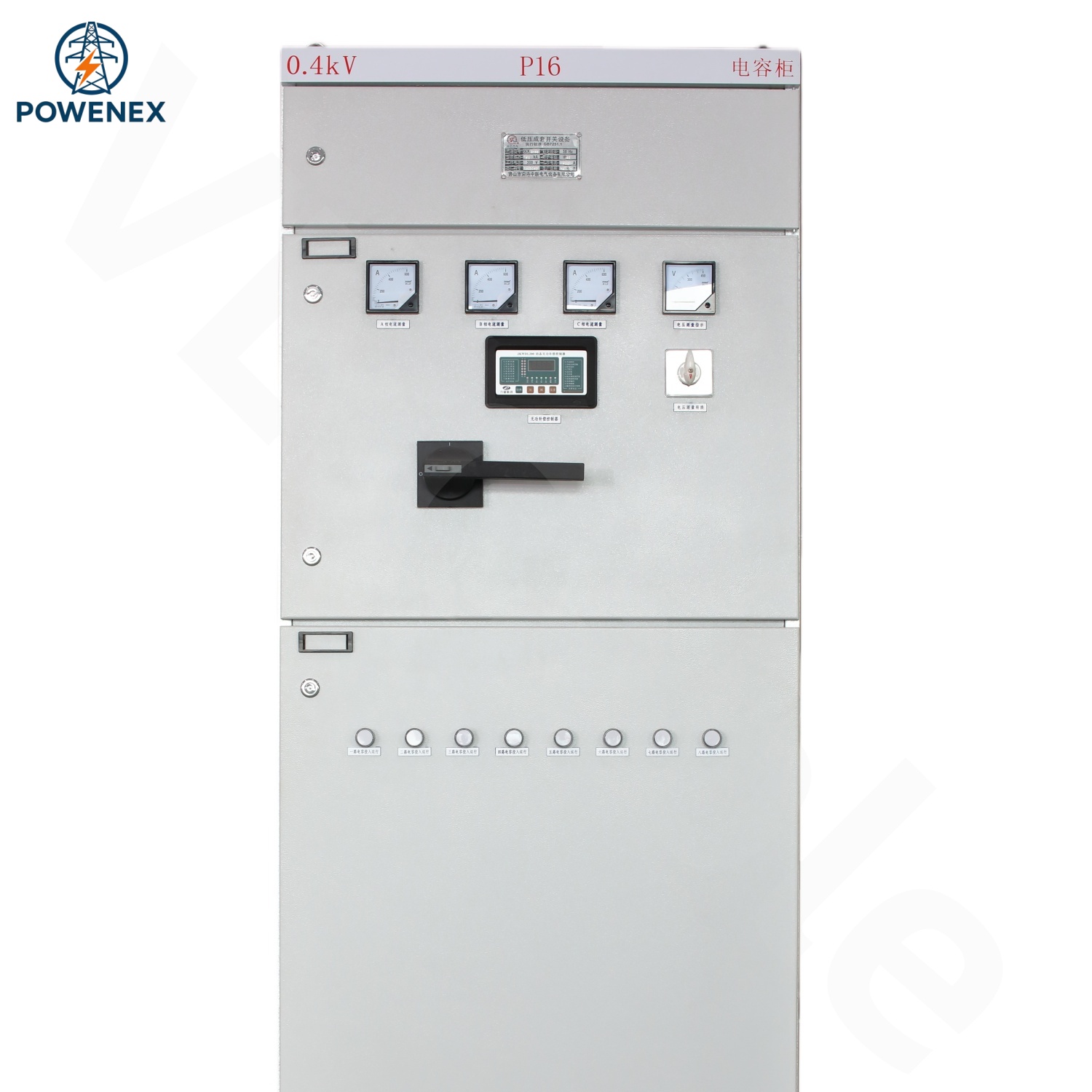
This is a type of Medium Voltage (MV) Switchgear designed for 3.6kV to 12kV power distribution systems. It is commonly referred to as a "Ring Main Unit" (RMU) in international markets, though this specific description ("Box-type Fixed") typically points to an Air Insulated (AIS) modular unit rather than a fully gas-sealed (GIS) tank. It serves as the critical "node" in a ring network, allowing power to be distributed to multiple users (e.g., a transformer or a building) while maintaining the ability to isolate faults without shutting down the entire grid.